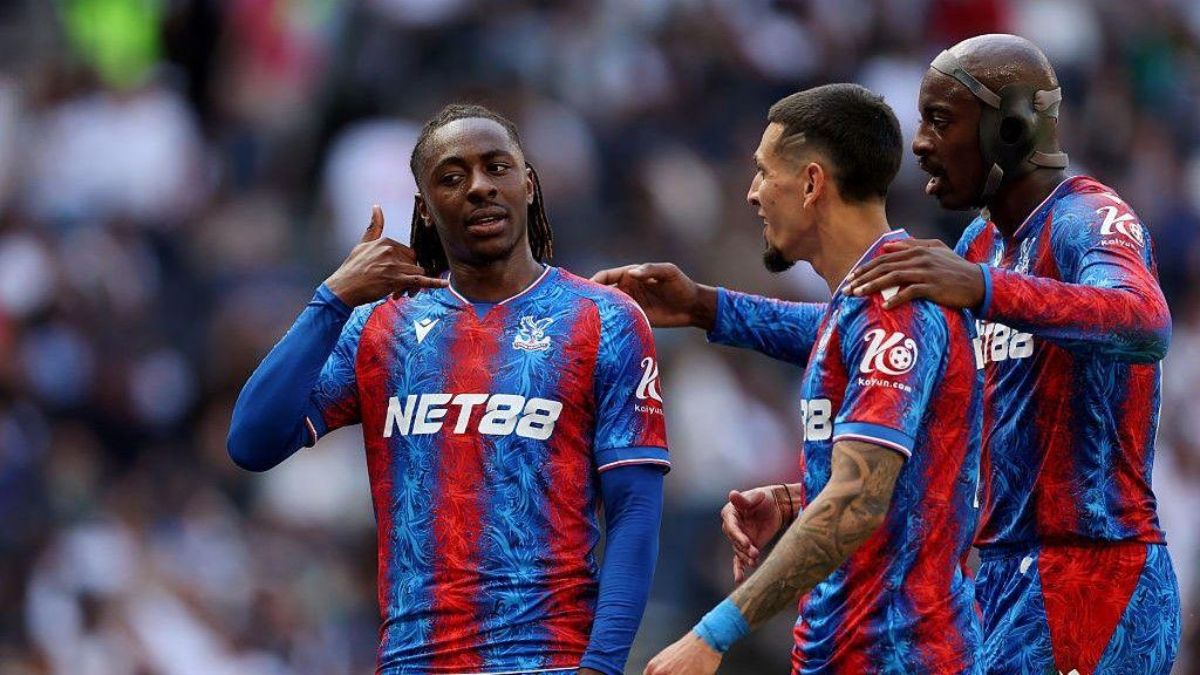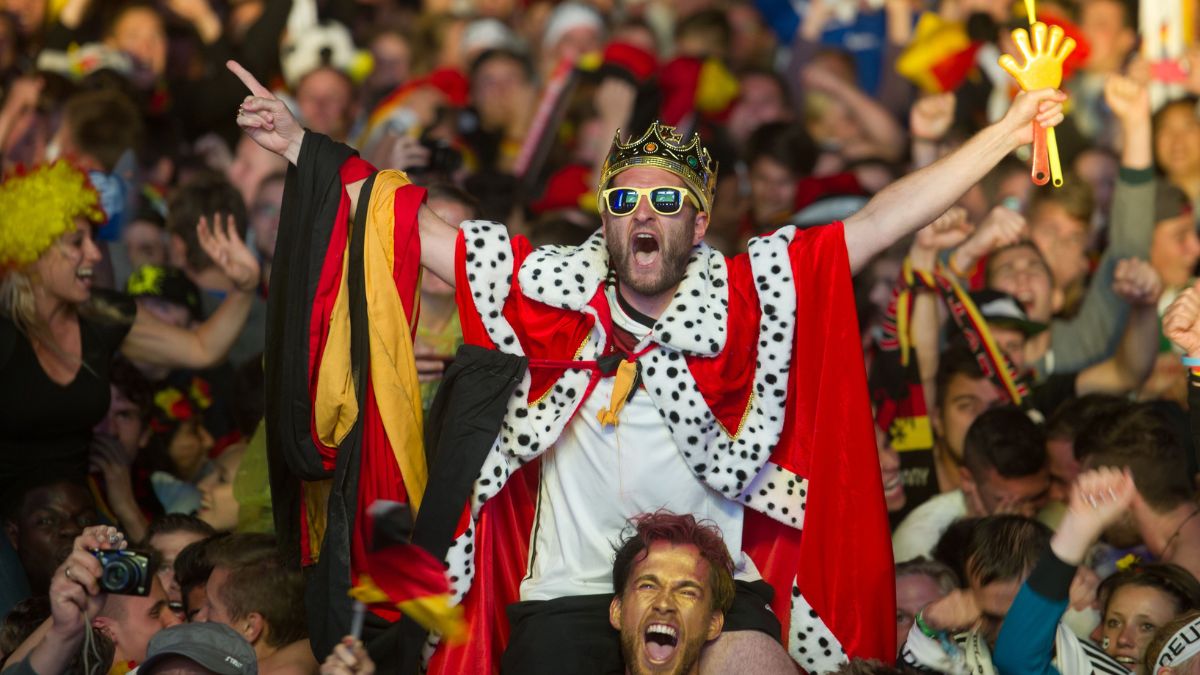
You wake up on a match day and your heart is already racing. It is not just a game to you. It is a part of your soul. You feel the weight of history in your chest when your team walks onto the pitch. First of all, you need to understand that you are not alone in this intense emotional journey. The world of global football in 2026 is more connected and more vocal than it has ever been. You see Football Fans Reactions everywhere you look. They are on your phone, in the pubs, and echoing through the massive concrete bowls of the stadiums.
This guide will help you navigate the high highs and the deep lows of modern fandom. We will look at how the biggest news stories of the year have shaped the way you and millions of others feel about the sport. Additionally, we will examine the science behind why you care so much. Plus, we will dive into the controversies that make you want to scream at your television screen.
The Miracle in North London: When Relief Becomes Euphoria
You probably remember exactly where you were when the news broke. Arsenal are the 2026 Premier League champions. It took twenty-two long years for this moment to arrive. You saw fans flock to the Emirates Stadium in a sea of red shirts. The air was thick with the sound of car horns and the smell of fireworks.
A Generation of Waiting
You saw three generations of families celebrating together on the streets of Islington. One father stood outside the stadium and told his son that he had waited twenty-two “effing” years for this day. This is the raw power of the sport. It is a relief that words cannot fully describe. Gradually, the “banter era” tag was stripped away. You watched as the “bridesmaids” finally became the main event.
At that time, the statistical weight of the win was staggering. Arsenal secured their 14th title. They stayed at the top of the table for 984 days across several seasons without a trophy before finally crossing the line. You saw fans in Seattle, Melbourne, and the Philippines all sharing the same joy. A fan in Melbourne summed it up perfectly. He said he would spend the rest of his day bragging to people who did not care.
The Rivalry Factor
However, your joy as a winner is often tied to the pain of your rivals. You saw Arsenal fans laughing as their win put local rivals in a terrible position. This is a natural part of the game. Similarly, when you win, you want the whole world to know. You might even want people to address you only as “Hey Champ” from now on.
The Dark Side of the Table: Facing the Relegation Dread
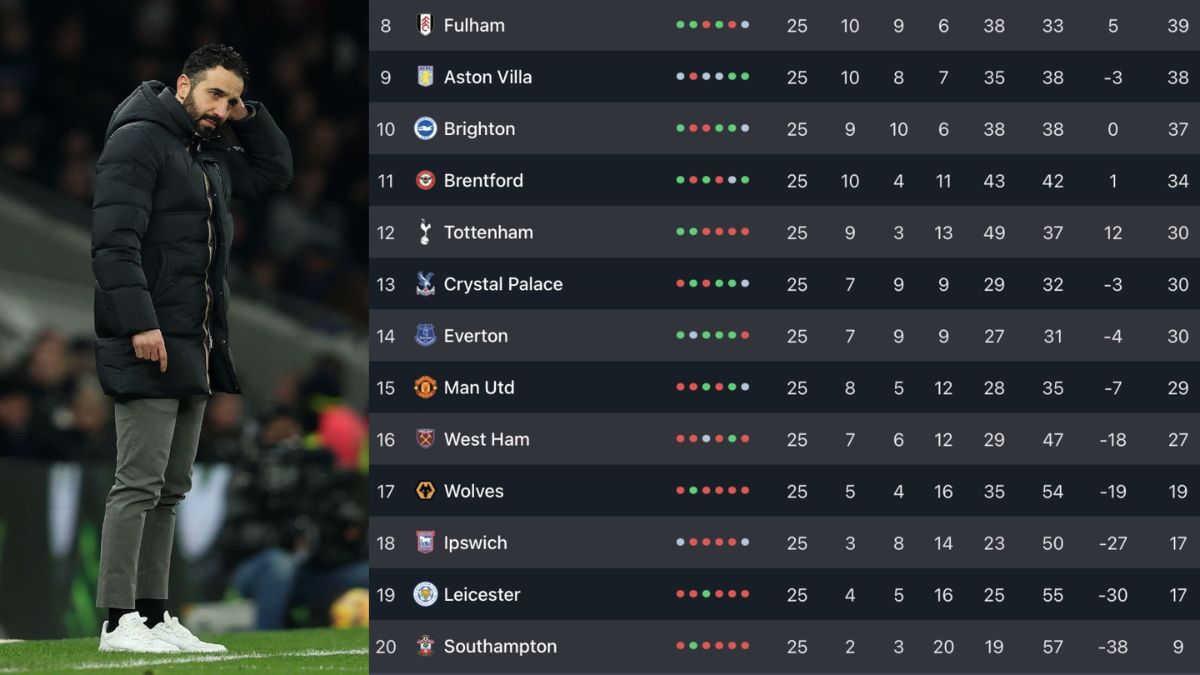
On the contrary, your experience is very different if your team is at the bottom. You might be a fan of West Ham or Tottenham right now. If so, you probably feel sick to your stomach. You are staring at the possibility of Championship football.
The Loss of a Spiritual Home
You feel like your club has lost its soul. First of all, the move to new stadiums has left many of you feeling cold. You remember the smell of burgers at Upton Park. You miss the intimacy of White Hart Lane. To you, the new 60,000-seater stadiums feel like monuments to greed and bad management.
The Stakes of Survival
Therefore, every game feels like a question of survival rather than a sport. You have seen your team endure 34 league losses between them this season. You feel fury, grief, and embarrassment. It is the hope that kills you in the end.
Later, you might see football fan reactions meme posts about your team’s failure. These can be hard to take when you have claret and blue blood. You see fans on social media acting like “dark knights” in the sunken place.
Governance and Greed: Why You Are Fuming at FIFA
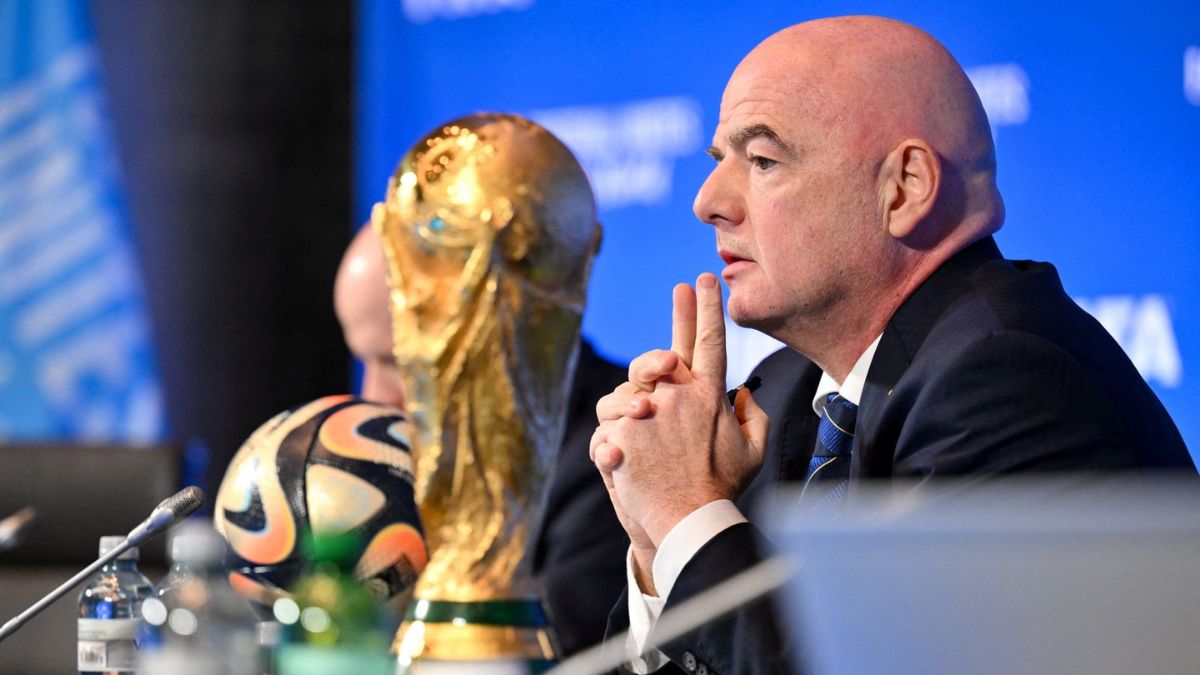
You love the World Cup, but you do not love the price tag. As the 2026 tournament in North America approaches, you are probably feeling priced out of the “people’s game”. FIFA is under fire from fan groups all over the world.
The Sky-High Cost of a Seat
You are looking at ticket prices that defy belief. Some of the best seats for the final in New Jersey have been priced at $32,970. On top of that, resale markets have seen tickets listed for over $11 million. This is a speculative free-for-all that betrays the spirit of football.
Additionally, you are dealing with “dynamic pricing.” This means the cost of your ticket can change based on demand. It is a system that excludes millions of people. You want to see the best players in the world, but you cannot afford the entry fee.
FIFA says they must apply “market rates” because entertainment is developed in this region. However, you know that football is a cultural festival, not just a dollar-denominated bottom line.
The Inclusivity Lie
You hear leaders talk about the “most inclusive” World Cup ever. Plus, you see them awarding peace prizes while fans struggle to pay for a group stage game. The cheapest tickets for the opening US game were $1,200. This creates a “skyboxification” of life where only the wealthy can meet.
Technology vs. Tradition: Your Hatred of VAR
You want the right decisions, but you hate the way they are made. A new survey has found that 91% of fans believe football is better off without Video Assistant Referees (VAR). This is a massive number that the decision-makers cannot ignore forever.
The Death of Spontaneous Joy
You feel that VAR has removed the spontaneous joy of goal celebrations. 92% of fans in the survey agreed with that statement. You cannot jump and scream anymore because you are waiting for a man in a room to check a screen.
Additionally, 96% of you are unhappy with the amount of time it takes to reach a decision. You have seen games stopped for five minutes while technology tries to distinguish a ball from a player.
Proposed Changes: Love or Hate?
There are new rules on the table that you might love or hate.
- Time limits: There may be a ten-second limit for players to leave the field during a sub.
- Medical breaks: Players who receive treatment may have to stay off the pitch for a set time.
- Second yellows: VAR might soon review red cards that come from incorrect second yellow cards.
Though some of these ideas aim to improve the flow of play, you remain unconvinced. Only 2% of you think VAR makes the game more enjoyable. You prefer watching matches without video technology entirely.
The GOATs’ Last Dance: Tears and Tributes
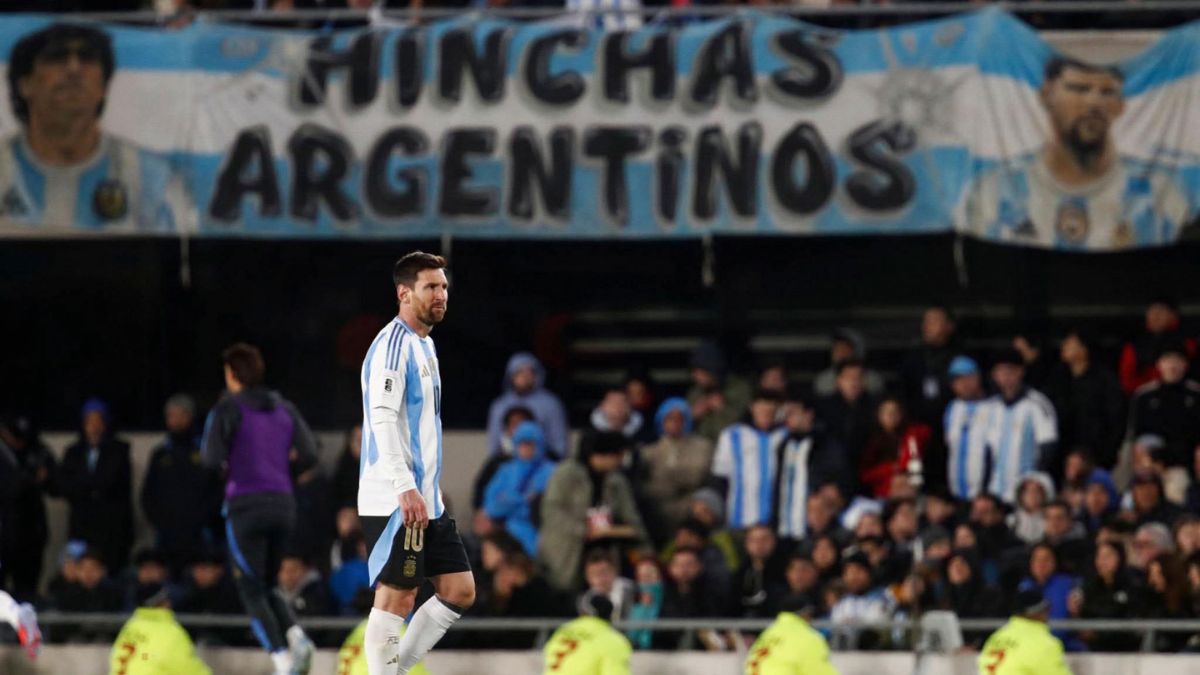
You are witnessing the end of an era. The 2026 World Cup is set to be the final appearance for legends like Neymar and Cristiano Ronaldo.
Neymar’s Emotional Return
You saw the viral video of Neymar breaking down in tears when he heard his name called for the Brazil squad. It has over 195 million views on Instagram. You felt his relief because his fitness was a major doubt after a serious ACL injury. You saw his partner hug him as his friends erupted in celebration. This is why you watch. You see the human behind the superstar.
Ronaldo’s Record-Breaking Run
Similarly, you saw the internet explode when Cristiano Ronaldo was named in the Portugal squad at age 41. He is preparing for his sixth World Cup. You might think this is “premium aura” or a “subscription service he refuses to cancel”. An entire generation has grown up watching him. You hope he can finally lift the trophy that has always escaped him.
The Science of Why You Care: Parasocial Relationships
You might feel like these players are your friends. This is actually a psychological phenomenon called a “parasocial relationship”. It is a one-sided connection where you feel closeness and trust toward a public figure.
The Illusion of Intimacy
You spend so much time watching their livestreams and reading their posts that they feel familiar. Social media makes this feeling easier to maintain. You see their daily updates and it strengthens your sense of connection over time. You might even feel that your favorite creator understands you better than your real friends.
The Role of Social Media
Additionally, platforms like Instagram and Twitter have changed the game. You can now interact with athletes on a personal level. You see their private moments and their battle with mental health. However, this closeness can become toxic. You might feel entitled to their time or their personal details. Plus, you might see football fan reaction gif posts that mock players when they are at their lowest.
Global Fan Cultures: From Fan Zones to Ultras
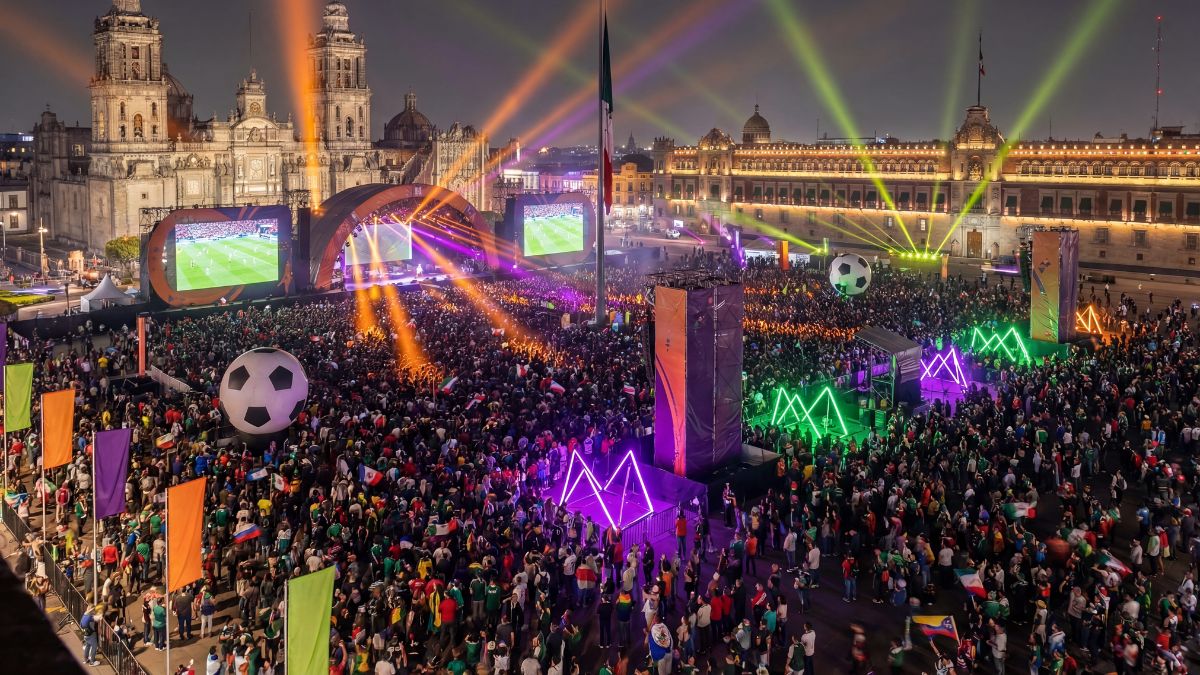
You experience football differently depending on where you live. In Budapest, the 2026 Champions League final fan zones are turning the city into a furnace of passion. You can watch the match on a massive LED screen over thermal pools at the Széchenyi Bath.
The World of the Ultras
On top of that, you have the Ultras groups. These are fanatical supporters who create the incredible atmosphere you see in stadiums. They use drums, flares, and giant flags to intimidate rivals and encourage their own team. You see them in Italy, where the movement began, but also in Australia, Japan, and India.
A Movement Against Commercialisation
These groups are often the focal point for movements against the commercialisation of the sport. They want to preserve fan culture. However, you also know that some of these groups are linked to violence and problematic politics. In Germany, Ultras have symbolically declared “war” on the national football association over issues like Monday night games and ticket prices.
The Power of the Post: How Your Voice Changes the Game

You are more than just a fan; you are an influencer. Your opinions on social media now have a direct impact on club decisions.
Influencing Transfers
You and your fellow fans can apply unrelenting pressure on club management. You have seen controversial transfers fail because of public outcry. A move for Alexis Sanchez to Manchester City once met stiff resistance from fans like you. Similarly, you saw fans protest outside Frenkie de Jong’s house to delay his move.
Market Research and Surveys
Clubs now depend on fan surveys and market research to understand who you support. They want to know your likely reactions to future signings. They study trends and organizing online polls to get your view. Gradually, the digital shift has made your input a constant part of club affairs.
Diverse Trends in Fandom
You might also notice trends that seem outside the traditional world of football. While my sources do not contain specific data on these names, you have likely seen football fans reaction to taylor swift or football fans reaction to bad bunny at major events. These cross-cultural moments bring new eyes to the sport.
Similarly, you see the passion of college football fan reactions across the United States. Whether it is alabama football fan reactions, clemson football fan reactions, or wisconsin football fan reactions, the emotional intensity is the same as the Premier League. People jump, cry, and celebrate in the same way, regardless of the level of play.
FAQ’s
How does social media affect player transfers?
Your opinions on platforms like Twitter and Instagram create sentiment that clubs now measure through market research. Clubs often avoid signing players who are deeply unpopular with the fanbase to prevent a revolt.
What is the difference between an Ultra and a Hooligan?
Ultras focus on creating a fanatical atmosphere through chanting and displays to support their team. While they can become violent, their primary goal is support. Hooligan firms have the explicit objective of fighting other fans.
Why are World Cup 2026 ticket prices so high?
FIFA is using a dynamic pricing model and targeting a market where they believe people will pay “market rates” for entertainment. This has led to prices as high as $33,000 for the final, causing global outrage.
Do fans really hate VAR?
Yes, a staggering 91% of fans in a recent survey believe the game is better off without it. The main complaints are the delay in decisions and the destruction of the joy of celebrating a goal.
What is a parasocial relationship in sports?
It is a psychological bond you feel with an athlete you see in the media. You feel like you know them personally because you see their daily life on social media, even though they do not know you exist.
Concluding Words
You are part of a global community that is louder and more powerful than ever before. Whether you are celebrating a historic win like Arsenal fans or dreading the drop like Spurs supporters, your emotions are the heartbeat of the sport. You are facing a future where technology like VAR and high ticket prices threaten your traditions.
However, the human stories—like Neymar’s tears and Ronaldo’s “last dance”—keep you coming back for more. Your voice on social media is now a tool that can shape the very future of your club. Continue to stay passionate, stay vocal, and never forget that this is your game.